Alpha Sophia for Consumer Health Products
Challenge

Consumer health companies—spanning OTC medications, nutritional supplements, and wellness tech—face a unique hurdle in 2026: the "Recommendation Gap." While patients are increasingly turning to retail health and digital influencers for wellness advice, the primary care physician and specialist remain the most trusted authorities for high-intent health decisions. The challenge lies in identifying the specific HCPs who not only treat the relevant conditions but are also active advocates for patient self-care and preventive health.
Several structural inefficiencies frequently hinder commercial performance in the consumer health sector:
- The "OTC Opacity" Problem:Because consumer health products are often sold over-the-counter, traditional prescription data doesn't tell the whole story. Companies struggle to identify which doctors are recommending their category without seeing the underlying ICD-10 diagnosis trends that trigger a self-care recommendation.
- Disconnected Retail & Clinical Silos:With the rise of retail health clinics in CVS and Walgreens, consumer health brands often miss the "Point of Care" moment. Without mapping healthcare organization (HCO) profiling across both traditional and retail settings, teams cannot follow the patient's actual journey from diagnosis to purchase.
- Wasted Outreach on Low-Influencers:Many teams target based on broad geography or specialty, ignoring whether a doctor has a patient panel that actually matches the product's demographic (e.g., aging populations for joint health or pediatrics for vitamin gummies). This leads to expensive marketing spend on providers who have no clinical reason to suggest the product.
- The Trust Deficit:In 2026, consumers are skeptical of generic wellness claims. Brands need to partner with HCPs who are "Digital Opinion Leaders" to build scientific credibility. Without data-driven healthcare provider profiling, companies can't find the clinicians who have the social and professional reach to move the needle on consumer adoption.
Solution
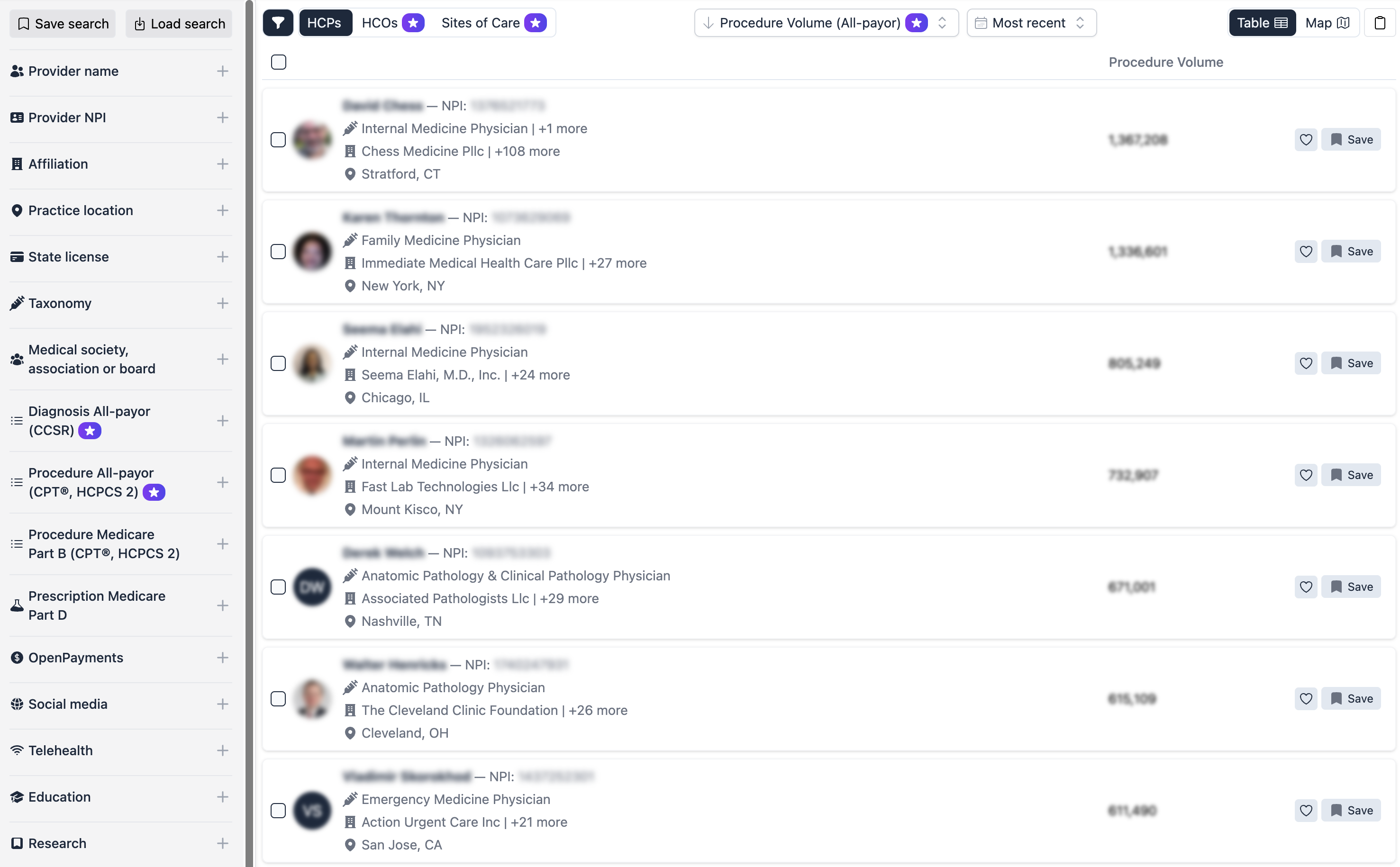
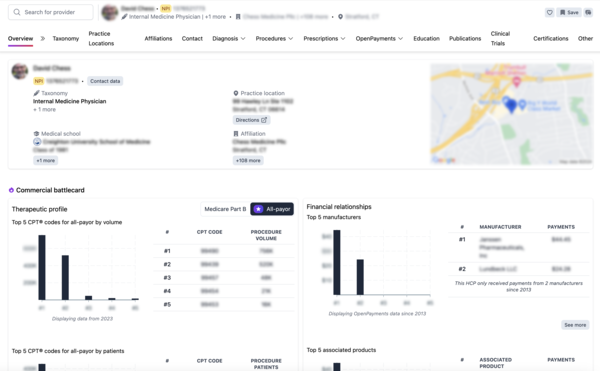
Alpha Sophia provides a specialized commercial intelligence platform that bridges the gap between clinical data and consumer behavior. By analyzing diagnosis volumes, procedural trends, and professional influence, consumer health brands can identify the HCPs who are positioned at the exact moment a patient needs a wellness or OTC solution.
With Alpha Sophia, teams can:
- Target by Diagnosis Density:Use ICD-10 clusters to find the doctors seeing the highest volume of patients with conditions that your product addresses (e.g., targeting dermatologists seeing high volumes of contact dermatitis for a new therapeutic skincare line).
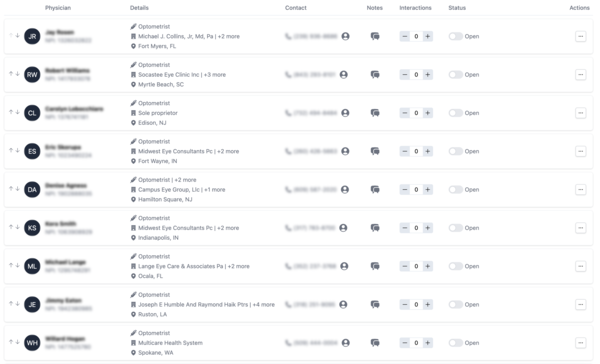
- Identify Clinical Advocates:Filter for HCPs with a strong social media presence and high publication scores in relevant wellness categories. These are the clinicians who patients already follow for "self-care" advice.
- Map the Retail Health Ecosystem:Gain visibility into the clinicians practicing within retail clinics and urgent care centers, ensuring your product is recommended at the most convenient "buy-ready" locations.
- Optimize Sampling and Education:Instead of blanket sampling, send educational kits only to the top decile of HCPs who manage the specific patient populations most likely to convert to long-term users.
Example
A company launching a premium prenatal vitamin can use Alpha Sophia to identify OB/GYNs and midwives who: 1) Have a high volume of prenatal care claims, 2) Practice in affluent geographic clusters, and 3) Are affiliated with high-end birthing centers. By focusing on this "High-Influence" cohort, the brand can ensure its recommendation occurs at the start of the pregnancy journey, leading to a 50% higher customer lifetime value (LTV).