Alpha Sophia for Laboratories & Diagnostic Equipment
Challenge
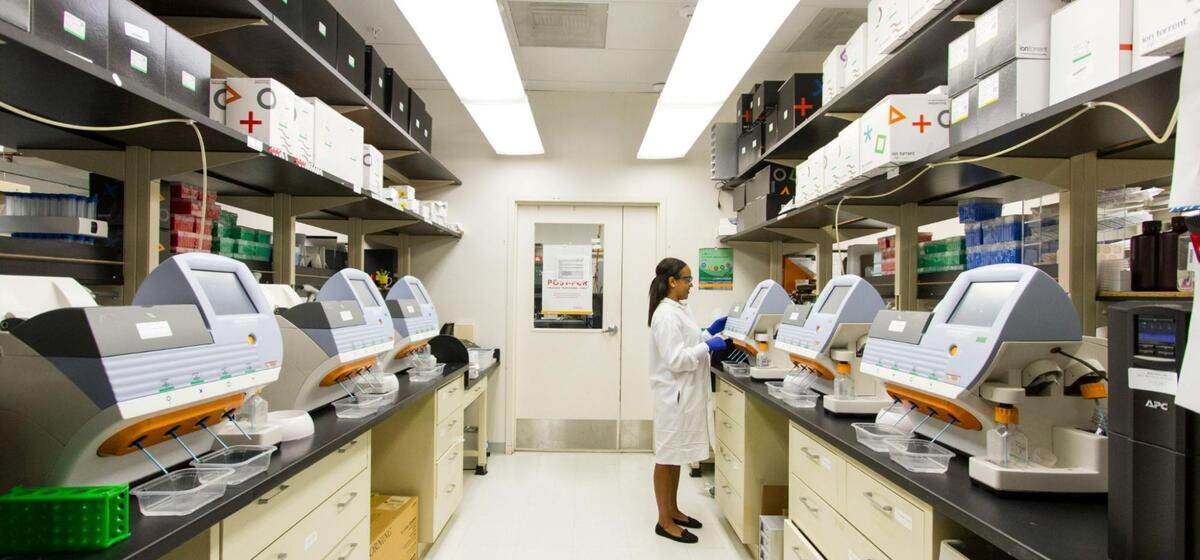
The diagnostic market is no longer driven by broad geographic presence, but by identifying highly specific pockets of clinical demand. For laboratories and diagnostic equipment manufacturers, the primary hurdle is navigating a fragmented landscape where ordering habits are rapidly shifting. Understanding how diagnostic test adoption really works inside physician practices is essential for any commercial team looking to gain a foothold in a competitive market.
Several structural challenges consistently impact diagnostic commercial performance:
- The Pareto Principle in Test Ordering:A significant portion of clinical labs struggle because they treat all providers in a territory equally. In reality, there is a hidden concentration of diagnostic ordering, where a very small percentage of providers drive the vast majority of specialized test volume. Without data to identify these "power-orderers," sales efforts are often diluted.
- Invisible Referral Leakage:Labs often lose significant revenue because they cannot see where their existing physician clients are sending their other tests. Without visibility into total diagnostic volume per NPI, it is impossible to identify "leakage" to national competitors or hospital-owned labs.
- The "Specialty Lab" Targeting Gap:Highly specialized labs (Genomics, Toxicology, Molecular) often waste resources on generalists rather than the high-acuity specialists who command specific patient populations. Following the Specialty Lab Strategy outlined in our market definition exercises, success requires moving beyond broad taxonomy to find the "niche clusters" of providers whose billing patterns perfectly align with specialized assays.
- Shifting Clinical Dynamics:Test ordering is not static. For example, understanding the new dynamics of respiratory test ordering requires real-time data on how clinicians are transitioning between PCR and multiplex panels in response to local clinical signals.
- The Clinical-to-Commercial Gap:Many diagnostic teams fail to articulate why their platform is a better fit for a practice's specific patient mix. Success requires knowing how diagnostics companies can use real-world clinical data to drive adoption by showing HCPs the direct correlation between their patient diagnosis codes (ICD-10) and the laboratory services required.
Solution
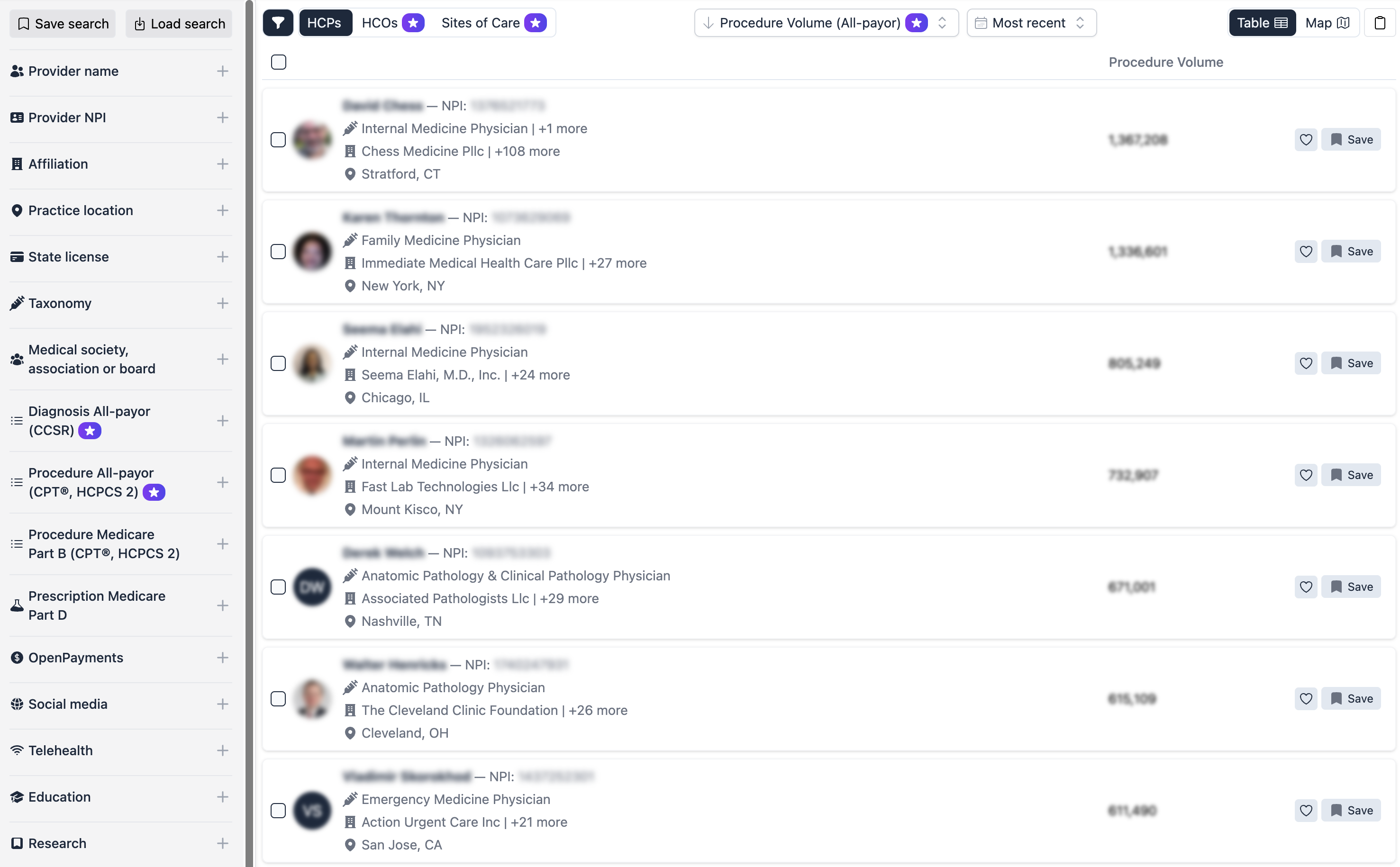
Alpha Sophia provides the commercial intelligence necessary for laboratories and diagnostic firms to move from "commodity" selling to high-precision market growth. By mapping physician-level ordering intent against real-world clinical data, diagnostic teams can identify exactly where the highest-value test volume resides.
With Alpha Sophia, teams can:
- Identify High-Volume "Power-Orderers":Segment physicians by the specific diagnosis codes that trigger your tests. Identify the top 5% of providers who control the specialized market share.
- Execute a Specialized Lab Strategy:Isolate the specific clinicians—regardless of their primary specialty—who are performing the high-acuity procedures or managing the complex patient cohorts that necessitate specialized, non-routine testing.
- Detect and Recapture Referral Leakage:Analyze the total clinical output of a practice to see the gap between the tests they send to you and their total diagnostic potential. Target the "share-of-wallet" currently held by competitors.
- Monitor Evolving Clinical Trends:Stay ahead by tracking shifts in testing behavior. Gain early insights into how new guidelines or seasonal trends are impacting specific CPT code volumes across various regions.
- Equip Outreach Teams with Patient-Level Context:Enable your sales force to show a practice exactly how many of their patients qualify for a specific diagnostic screening or panel based on their historical ICD-10 data.
Example
A molecular diagnostics lab launching a new genetic screen for hereditary cancer can use Alpha Sophia to bypass low-volume generalists and focus strictly on OB/GYNs and Oncologists who have seen a high volume of patients with a relevant family history diagnosis code. By focusing on this "Power-Orderer" cohort and mapping their regional influence clusters, the lab can drive adoption more effectively, reaching 80% of the potential market by targeting only 20% of the providers.