Alpha Sophia for MedTech & Medical Device
Challenge
For Medical Device and MedTech commercial teams, the path to market success is no longer a matter of simple relationship management. In 2026, the industry is defined by complex Value Analysis Committees (VACs), hospital consolidation, and a data-driven shift toward value-based care. Identifying the right surgeon is only half the battle; the real challenge is how high-performing MedTech teams choose the right surgeons and hospitals for launch to ensure both clinical adoption and institutional approval.
Several structural obstacles frequently disrupt the MedTech sales cycle:
- Misalignment of Targets and Territories:Many sales organizations struggle with antiquated territory definitions that do not reflect actual procedural volume. Without granular data, it is difficult to determine how MedTech teams can align targets, territories, and messaging with data to maximize representative productivity and market coverage.
- Invisible Surgeon-Facility Affiliations:Device reps often operate with limited visibility into where a surgeon actually performs their procedures. A clinician may have a primary hospital affiliation on paper but perform their highest-margin cases at an independent Ambulatory Surgery Center (ASC) that is completely off the radar of the sales team.
- Lack of Procedural Specificity:Generic specialty data (e.g., "Orthopedic Surgeon") is insufficient for high-stakes device launches. Teams need to know exactly which surgeons are performing specific CPT-coded procedures—such as robotic-assisted total knee arthroplasty versus manual techniques—to ensure they are engaging the right technical profiles.
- Reactive Clinical Engagement:Relying on "word of mouth" or inbound requests leads to inconsistent pipelines. Modern commercial success requires data-first strategies for MedTech and Pharma HCP engagement that allow teams to proactively identify surgeons whose patient volumes and procedural growth patterns signal an immediate need for new technology.
Solution
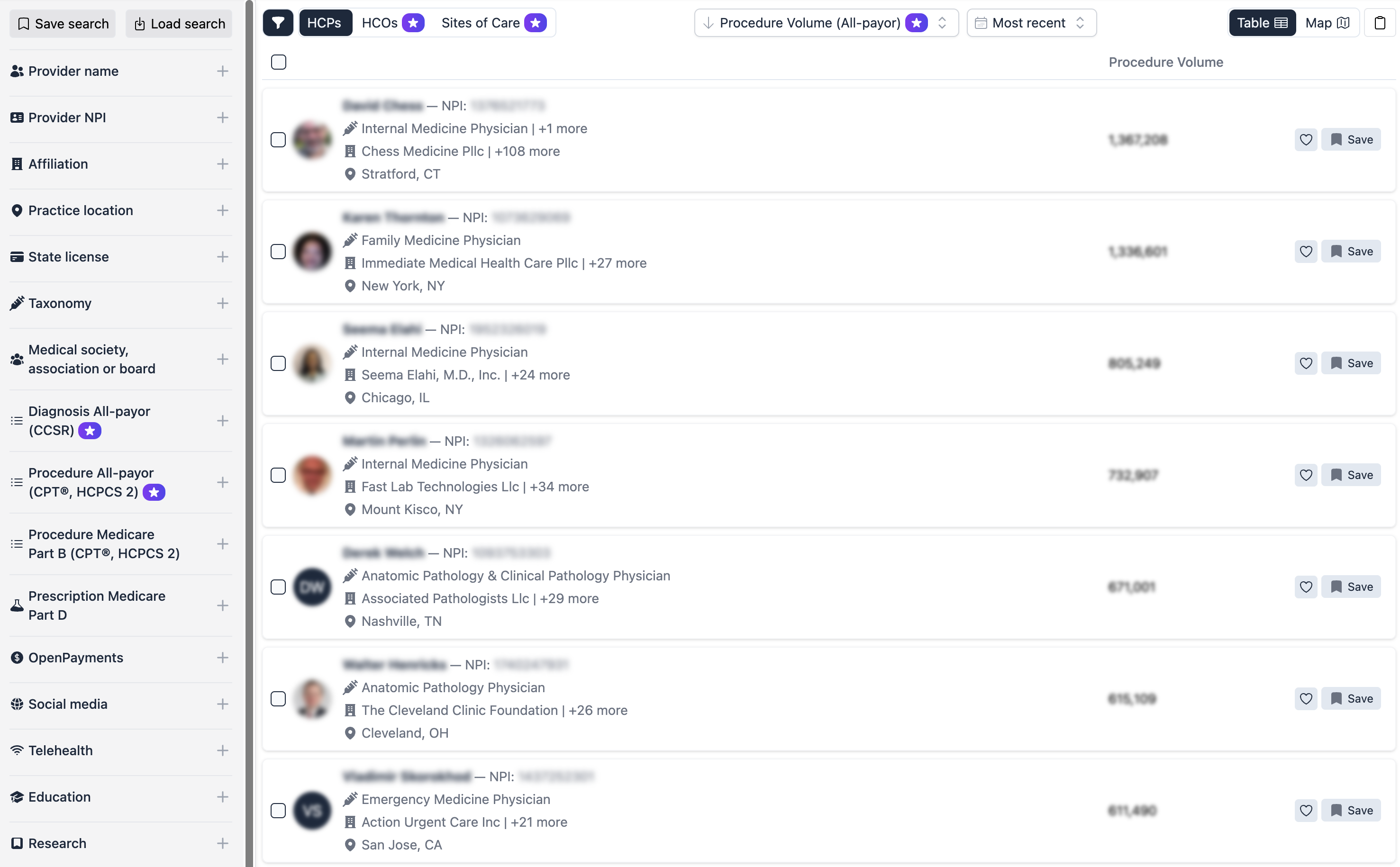
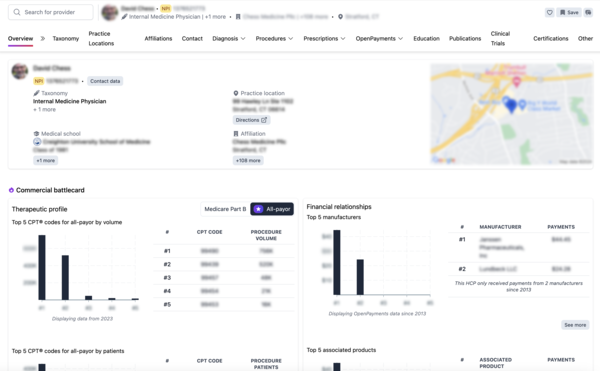
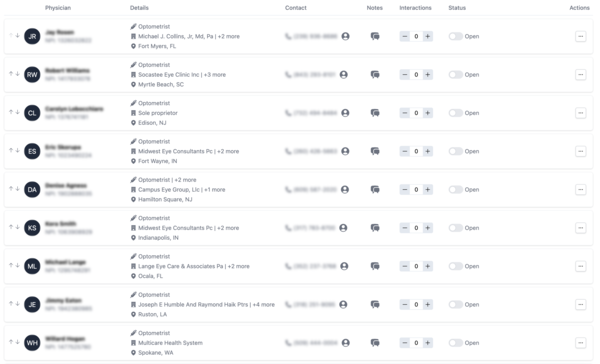
Alpha Sophia transforms Medical Device commercial operations by providing a live, procedure-centric view of the surgical landscape. Instead of chasing leads based on anecdotal evidence, MedTech teams use Alpha Sophia to map precisely where procedures are happening, who is performing them, and which facilities offer the path of least resistance for adoption.
With Alpha Sophia, teams can:
- Filter by Procedural Precision (CPT/ICD):Identify surgeons not just by their specialty, but by the specific volume and frequency of the procedures your device is designed for. Segment targets by career stage, facility type, and growth trajectory.
- Map Surgeon-to-Facility Dynamics:Uncover the full procedural footprint of every surgeon. Understand which hospitals or ASCs they frequent and how their volume is split between different sites of care to optimize your capital equipment or implant strategy.
- Equip Field Teams with Competitive Intelligence:Give reps the data they need to walk into a VAC meeting with confidence. Show hospital administrators exactly how your device aligns with their current patient volumes and clinical outcomes compared to the status quo.
- Optimize Territories for Maximum ROI:Move from static geographic borders to "dynamic territories" based on actual procedural density. Ensure your highest-performing reps are spending their time in the accounts with the greatest headroom for growth.
Example
A MedTech company launching a new spinal implant can use Alpha Sophia to identify surgeons who have a high volume of complex fusion cases but are currently performing them in facilities with low penetration from the primary competitor. By aligning their targets, territories, and messaging, the team can secure early wins in "under-vended" accounts rather than fighting for scraps in over-saturated hospital systems.