Alpha Sophia for Key Opinion Leader (KOL) Identification
Challenge

In the increasingly specialized landscape of 2026 healthcare, identifying the right experts is no longer about finding the most visible names; it is about finding the most relevant ones. Medical Affairs and Commercial teams often struggle with KOL mapping processes that are manual, static, and disconnected from real-world clinical behavior. Relying on legacy databases results in fragmented insights that fail to capture the full spectrum of an expert's influence.
Several critical barriers frequently hinder effective HCP expert profiling:
- Reliance on Visibility Over Relevance:Traditional KOL identification often over-indexes on "Digital Opinion Leaders" or frequent conference speakers. This causes teams to overlook "Rising Stars"—the clinical leaders whose influence is growing in peer-reviewed literature and clinical trials but who have not yet reached national prominence. Without the ability to spot rising stars and identify tomorrow's KOLs early, pharma teams risk entering a therapy area behind the curve.
- The Clinical-Scientific Data Gap:There is a structural disconnect between an expert's scientific activity (publications/trials) and their clinical reality (patient volume). A researcher may be prolific in PubMed, but if they do not manage the patient populations relevant to your therapy, their influence on treatment adoption may be limited.
- Manual, Siloed Research Workflows:MSLs often spend dozens of hours manually stitching together data from ClinicalTrials.gov, grant databases, and social media. This administrative burden prevents data-backed territory planning and slows down the engagement cycle, leading to missed opportunities for scientific exchange.
- Lack of Actionable Engagement Context:Even when an expert is identified, teams often lack the specific context needed for a high-value interaction. Knowing an HCP is an expert is one thing; knowing their specific Scientific Share of Voice and their historical relationship with the Sunshine Act (Open Payments) is essential for compliant and credible outreach.
Solution
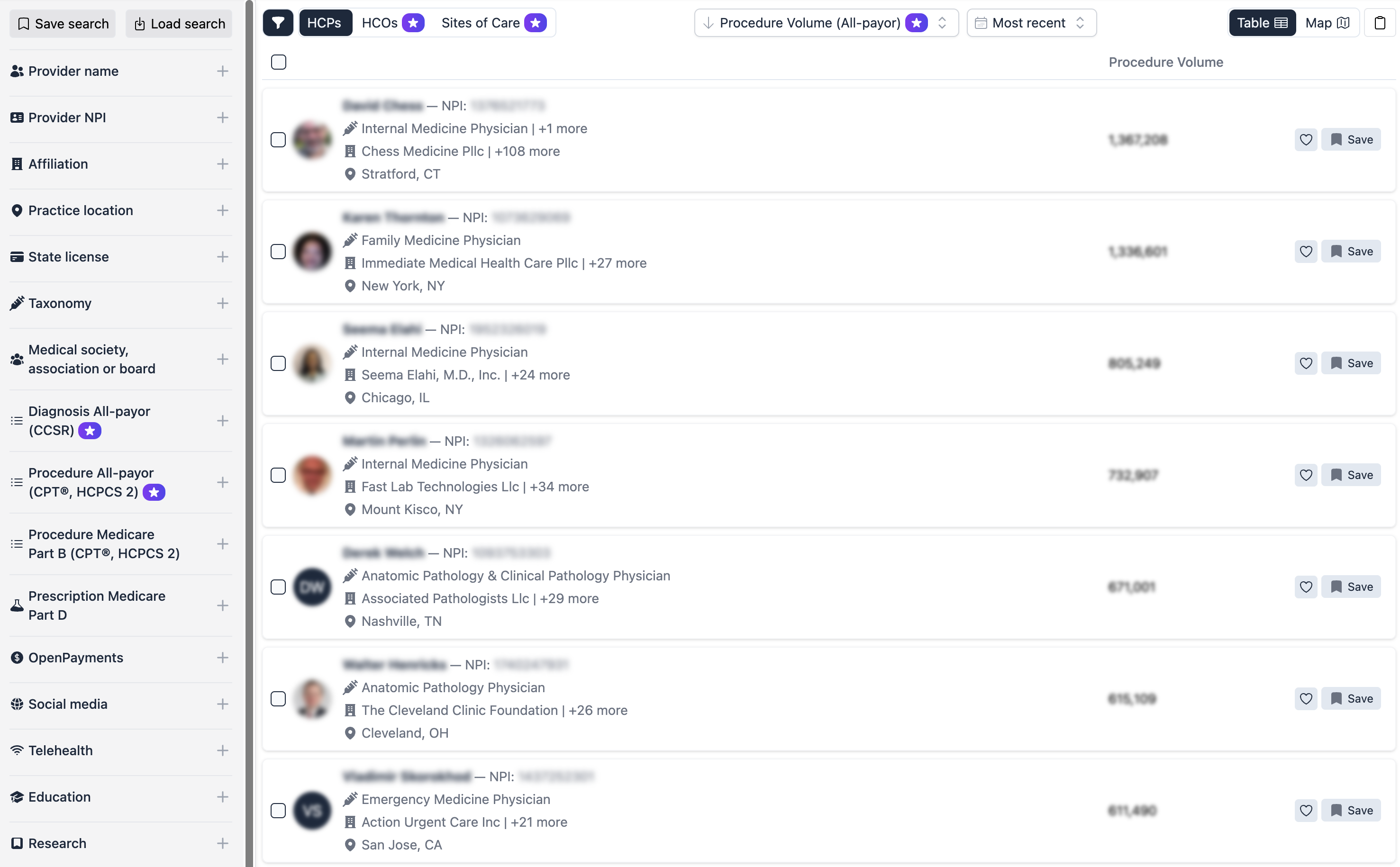
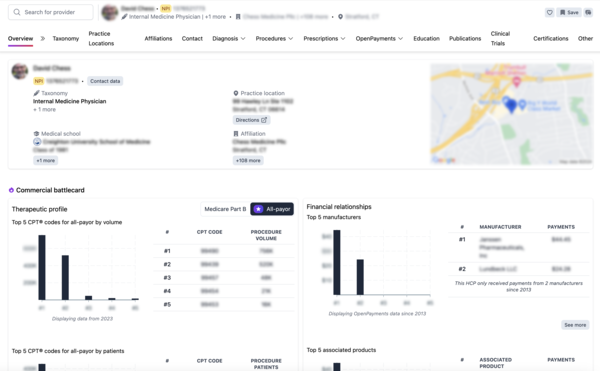
Alpha Sophia provides an integrated KOL Intelligence platform that merges scientific prestige with real-world clinical truth. By unifying all-payer claims data with 35M+ publications and real-time clinical trial tracking, Alpha Sophia enables Medical Affairs to move beyond "lists" to a multidimensional view of influence.
Instead of manual searching, teams use Alpha Sophia to automate the discovery of experts based on the specific intersection of research and practice.
With Alpha Sophia, Medical Affairs teams can:
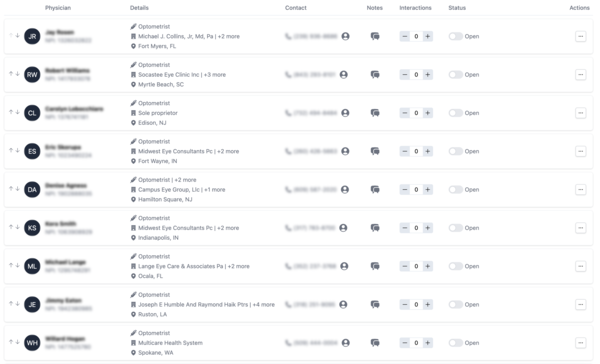
- Automate HCP Profiling with KOL AI:Instantly analyze the "Scientific DNA" of any provider. Filter experts by publication velocity, h-index, citation impact, and clinical trial sponsorship to identify the true leaders in any therapeutic indication.
- Bridge Science and Clinical Practice:Validate scientific influence against real patient volumes. See exactly which PubMed authors are also high-volume treaters (CPT/ICD codes), ensuring your MSL efforts are focused on those who move both the needle of science and the needle of care.
- Execute AI-First Expert Engagement:Equip your field force with the ultimate "pre-call" brief. By understanding how Medical Science Liaisons should use AI-first tools to find and engage KOLs, your MSLs can enter conversations with a deep understanding of an expert's specific research interests and historical industry collaborations.
- Pinpoint Territorial Influence Clusters:Go beyond zip codes to map "Influence Hubs." Identify the institutional hierarchies and referral networks that define how scientific information flows through a regional medical community.
- Track "Rising Stars" in Real-Time:Set alerts for emerging researchers and investigators who are gaining momentum in clinical trials or high-impact journals before they are "vended" by the broader market.
Example
A Medical Affairs team preparing for a Phase II launch in Rare Disease can use Alpha Sophia to identify every researcher who has published on a specific genomic biomarker in the last 24 months. By overlaying this with claims data, they can prioritize the 10 investigators who are also managing the highest volume of patients with that specific indication, ensuring that early MSL effort is focused on the experts most likely to influence the clinical trial recruitment and future adoption.