-
 Insights
Understanding the New Dynamics of Respiratory Test Ordering: What Diagnostics Teams Need to Know
Isabel Wellbery • -
 Insights
Top 4 Data Sources Every MSO Needs to Succeed in 2026
Isabel Wellbery • -
 Insights
How MSOs and Growth Platforms Can Use CPT Billing Data to Target Mental Health Clinics with Alpha Sophia
Isabel Wellbery • -
 Insights
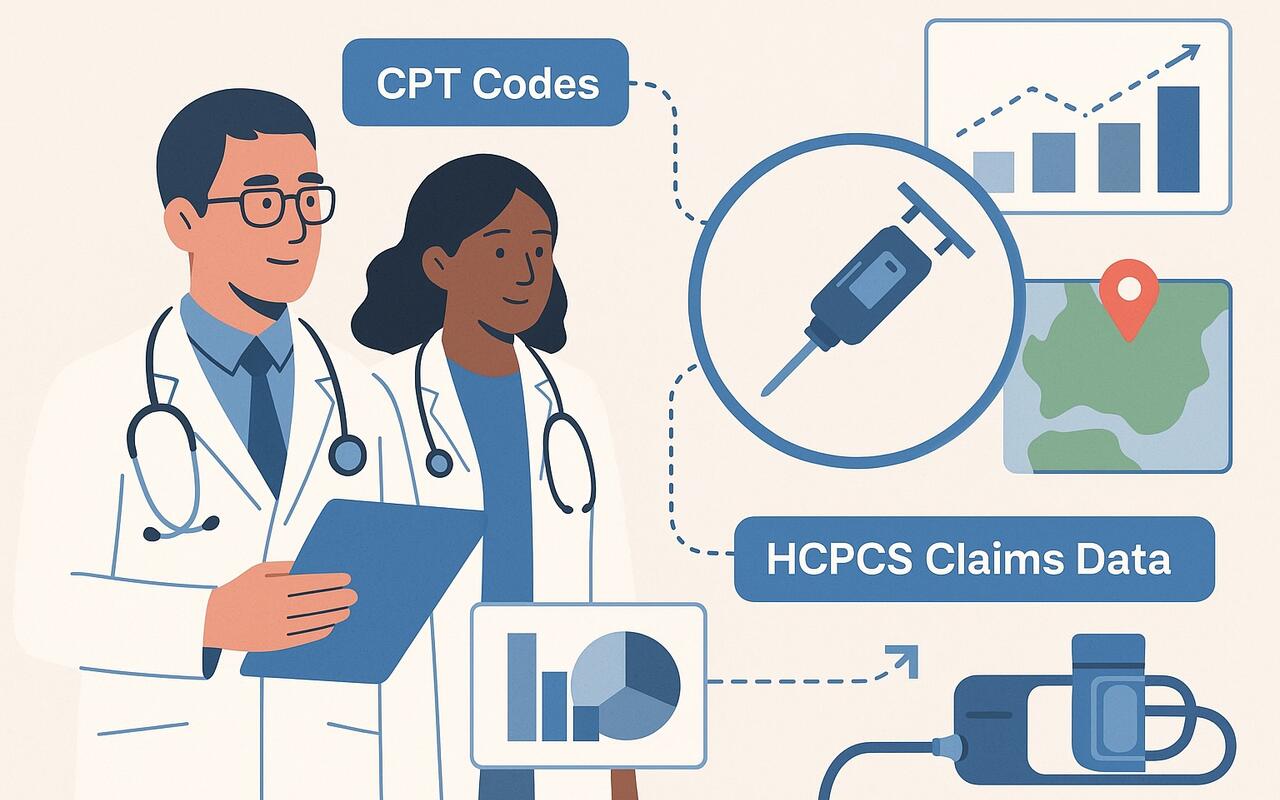
Unlocking MedTech Growth with CPT and HCPCS Claims Data: Smarter Physician Targeting and Market Expansion
Isabel Wellbery • -
 Insights
Unlocking Success: How Niche Data Attributes Like Procedure Codes Revolutionize MedTech Targeting Strategies
Robin Rump • -
 Insights
A Guide to KOL Mapping with Open Payments Data
Isabel Wellbery • -
 Insights
How to Use Open Payments Data in Peer-to-Peer Healthcare Education
Isabel Wellbery • -
 Insights
Find Ideal Surgeon Customers with Procedure Level Data
Isabel Wellbery • -
 Insights
5 Powerful Ways IVD Companies Can Use HCP Targeting Data to Drive Growth
Isabel Wellbery •